
Deep Tissue Massage Therapy in Ogden and Clinton, UT
Customized, results-focused deep tissue therapy in Ogden and Clinton, UT. Our Licensed Massage Therapists target deep muscle layers and fascia to resolve chronic pain, release stubborn knots, and restore full mobility.
Deeper Layer Neuromuscular Realignment
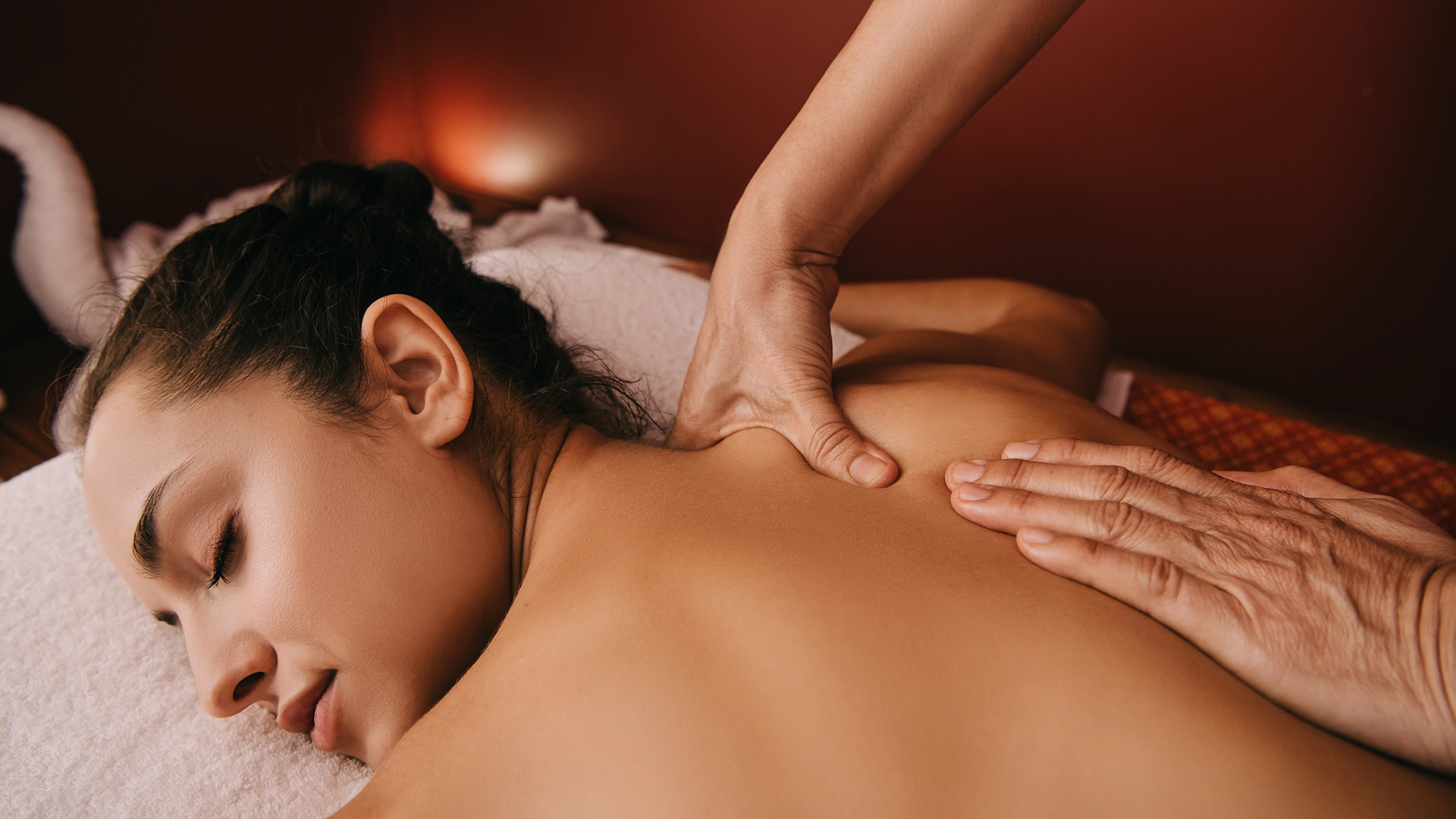
Our Deep Tissue Massage is a customized, results-focused massage designed to address specific areas of chronic tension, deep structural strain, or persistent dysfunction in the body. Rather than following a set relaxation routine, our Licensed Massage Therapists (LMT) apply firm, focused pressure and cross-fiber friction to reach deep muscular layers, dense connective tissues, and stubborn scar tissue based on your individual needs and goals.
At the physiological level, this treatment targets sub-dermal myofascial structures and deep muscle fibers. By applying deliberate, slow friction across the grain of tight muscle bundles, our therapists break down dense fibrous adhesions (knots) and improve local microcirculation to hypoxic tissues. This massage is ideal for relieving chronic muscle tightness, improving joint mobility, alleviating nerve compression caused by tight muscles, and supporting long-term structural recovery. Pressure is firm and deep, yet always calibrated precisely to your threshold to remain therapeutic without causing involuntary muscle guarding. Deep tissue massage not only eases deep-seated physical discomfort but also promotes systemic muscle restoration, enhanced circulation, and long-term postural realignment—making it both structurally corrective and deeply restorative.
Deep Tissue Massage Pricing
Treatment Duration | Price |
|---|---|
60 minute | $100 |
90 minute | $130 |
120 Minute | $200 |
Schedule Your Deep Tissue Massage in Utah
Ogden Location
2348 Kiesel Avenue, Ogden, UT 84401
801-528-5066
Select your service to begin:
Clinton location
1808 W 1800 N Ste. A, Clinton, UT 84015
801-217-3133
Select your service to begin:
Your Clinical Experience Profile

1.Clinical Assessment and Strain Mapping: (Pre-Treatment)
Your Licensed Massage Therapist conducts a biomechanical evaluation, identifying deep-seated adhesions, checking joint restriction points, and confirming your individual pressure tolerance limits.
2.Cross-Fiber Friction and Fascial Decompression: (Active Treatment)
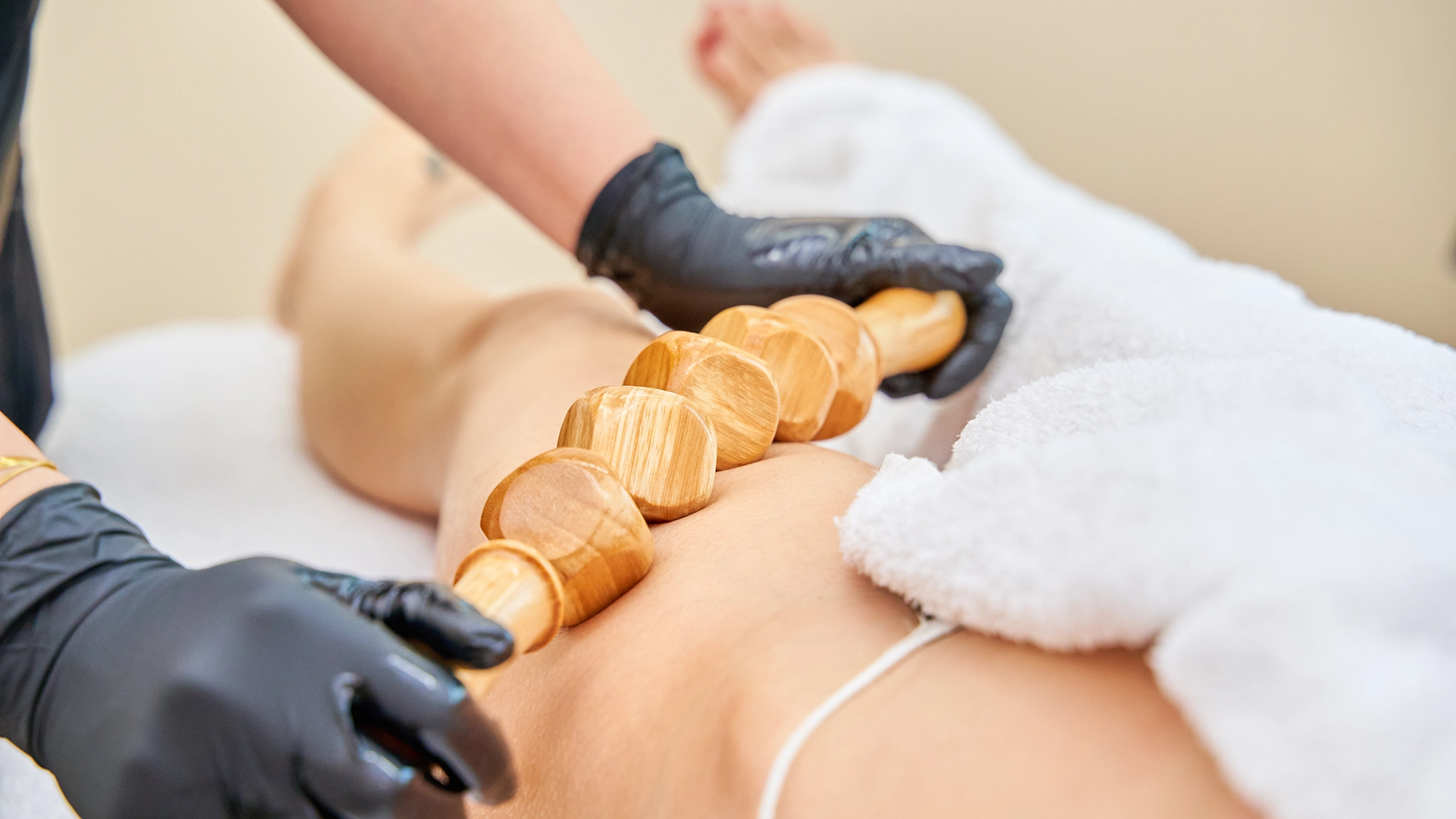
The therapist utilizes slow, firm strokes, elbow/forearm pressure, and cross-fiber friction techniques tailored specifically to reach deep muscle groups and detach rigid collagen adhesions.
3.Tissue Flush and Alignment Recovery: (Post-Treatment)
The session wraps up with light superficial strokes to soothe the nerve endings. Your therapist then provides a personalized home-care protocol, including targeted tissue hydration and passive stretching strategies.
Frequently Asked Questions
What is the difference between therapeutic massage and deep tissue massage therapy?
Deep tissue massage therapy specifically targets the inner layers of muscle, tendons, and dense fascial tissue using heavy, focused pressure, whereas therapeutic massage incorporates a broader blend of techniques for general pain and tension relief. While both services aim to treat physical discomfort, deep tissue massage relies heavily on cross-fiber friction and slow, deep penetration to break down dense scar tissue and long-standing structural knots.
Is a deep tissue massage therapy session supposed to be painful?
A deep tissue massage therapy session should cause a therapeutic sensation often described as a "good hurt," but it should never cause sharp or unbearable pain. If pressure exceeds your natural pain threshold, your body will instinctively tense up, which defeats the purpose of the treatment. Our Licensed Massage Therapists actively calibrate their pressure to stay right at the edge of your comfort zone so the muscle fibers relax rather than defend themselves.
How should I care for my body immediately after a deep tissue massage?
You should drink plenty of water and refrain from strenuous physical exertion for at least twelve to twenty-four hours after a deep tissue massage. Increasing your fluid intake helps your kidneys process and flush out metabolic byproducts released from the deep muscle layers. Additionally, resting allows your neuromuscular system to integrate the structural changes and reduces the severity of any post-treatment muscle soreness.